Hearing & Tinnitus
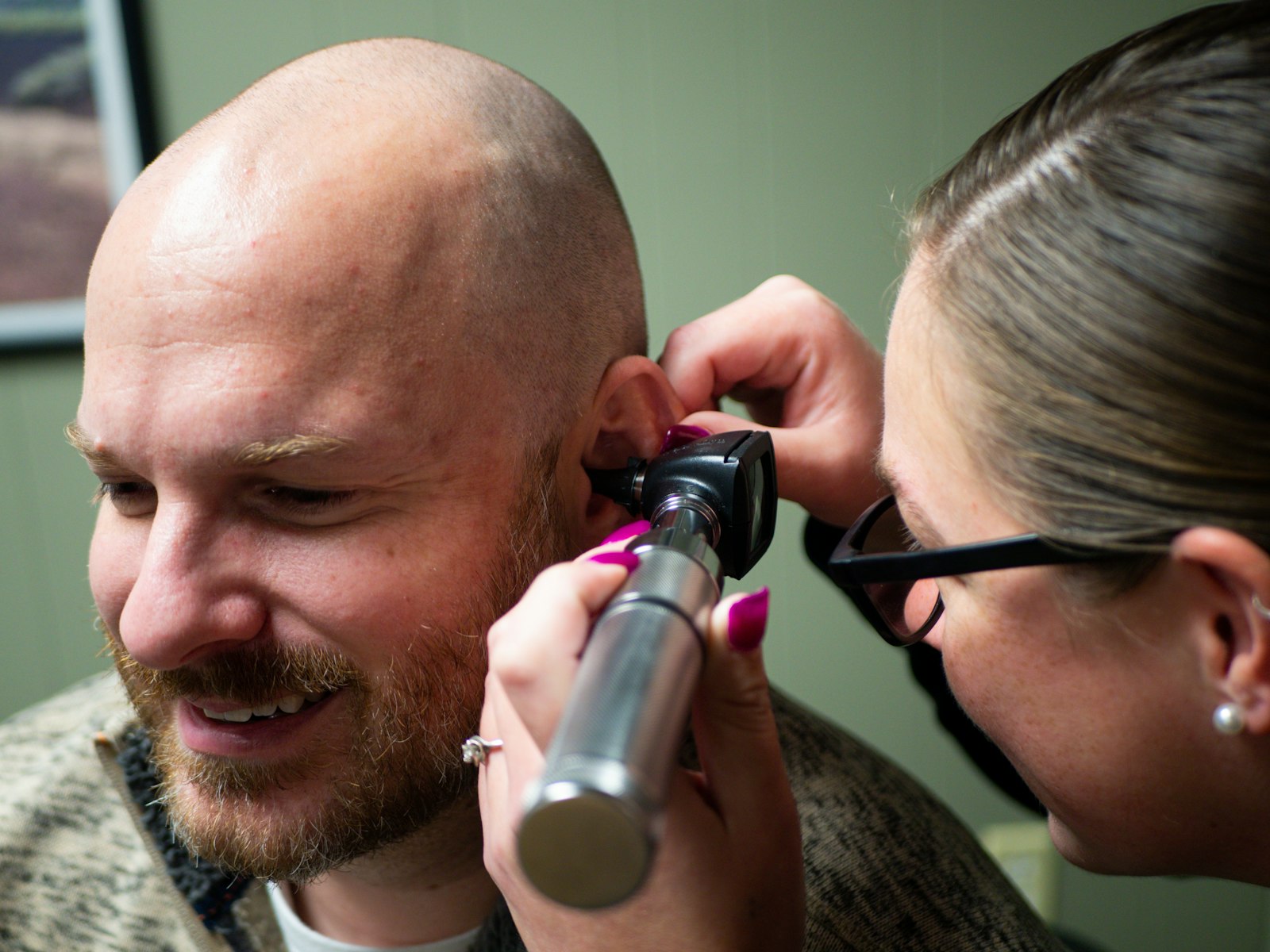
Ringing that nobody else can hear is hard to measure and hard to explain, so tinnitus and hearing research keeps trying new approaches.
Why research goes onFree to use, from first visit to last text
Zova Care Network explains clinical research in tinnitus, lupus, long COVID, Parkinson’s, ADHD and fibromyalgia, and sends updates about research near you. Sign up with your ZIP code for occasional updates about research close to home.
Prefer to start with texts? Get study updates

Each of these can be slow to diagnose, hard to treat or hard to describe to someone who has not lived with it. Open one to see why research goes on, what studies there ask and what to note before you call.
Ringing that nobody else can hear is hard to measure and hard to explain, so tinnitus and hearing research keeps trying new approaches.
Why research goes onLupus and related conditions look different in every person and flare without warning, which keeps researchers looking for better ways to manage them.
Why research goes onExhaustion, brain fog and a racing heart that outlast a COVID-19 infection by months, in a condition research is still working to define.
Why research goes onParkinson’s and tremor: research into slowing change, steadying off periods, and devices and exercise that fit around daily life.
Why research goes onADHD is often found late and questioned often. Research tests medicines, apps, coaching and help for the sleep problems that come with it.
Why research goes onWidespread pain that tests often cannot explain, along with poor sleep and tiredness. Research is still working out what drives it and what eases it.
Why research goes onRinging, pain, exhaustion and brain fog rarely show on a routine test, so studies have to build careful ways of scoring them. Much of the research in these areas goes into that groundwork.
Many people in these six areas try several treatments before one fits, and some are still trying. Studies are where new medicines, devices and programs are compared with what exists now.
People with long COVID, fibromyalgia or ADHD often describe years of explaining themselves. Research is one of the places where these conditions are defined, measured and written down in detail.
Only the second step asks for anything about you. Reading the site needs no sign-up at all.
Zova covers six conditions that are hard to treat or slow to be recognized. Each one has a section on why research in it goes on, what studies there ask of volunteers and what to write down first.

Give your name, email and ZIP code, and tick the research areas you want to hear about. A mobile number is only needed for texts.

Zova uses the areas you ticked and your ZIP code to choose what to tell you about, and sends occasional updates on research near you, each with a link to read more on this site.

When a study catches your interest, the call is yours to make. Have your symptom notes ready; the team asks its own screening questions and makes its own decision.

Study teams in these conditions often ask about weeks of symptoms, not one bad day. A few minutes of notes each day gives you clear answers on the first call. The notes stay with you; Zova never asks to see them.
What else to write downWhen your symptoms began, and when a doctor first named the condition
A short daily score for your main symptom, kept the same way for a few weeks
Every medicine and dose you take, and the date each one last changed
Tests you have had, and what you have already tried
Medical records, a diagnosis, your symptom notes, medicines or insurance details. Zova sends updates without any of them.
Your name, email and ZIP code, plus anything optional you add: a mobile number and the research areas you tick.
No study team, sponsor or clinic receives your details from Zova. Contacting a study is up to you.
Not covered here? Our team answers on (833) 400-7259 and at info@zovacare.com.
Tinnitus, lupus, long COVID, Parkinson’s, ADHD and fibromyalgia are conditions where many people are still looking for an approach that suits them, or still explaining their symptoms to others. Research is where new approaches to them are tested, and Zova helps you find out what is being studied near you.
No. Zova does not run studies, examine anyone, prescribe or give medical advice. Your own doctor stays in charge of your care, and every study is run by its own research team.
Nobody can say that in advance, and Zova does not try to. Studies are run because nobody knows the answer yet. Some volunteers receive the approach under test and some receive a comparison, and the study team explains the possible risks before you agree to anything.
The study’s own team, at screening, against its own requirements. Zova cannot make that call for you, and a sign-up with Zova does not place you in any study.
Studies in these conditions often ask how often symptoms come, how strong they are and what you have already tried. A few weeks of short daily notes, with a list of medicines and tests, makes the first call with a study team quicker and more precise. Your notes stay with you; Zova never asks to see them.
So the updates you get can lead with research close to where you live. Most studies ask volunteers to come to a site more than once, so distance counts for as much as the condition.
Your name, email and ZIP code, a mobile number if you want texts, and the research areas you want to hear about. No more than four texts a month, and replying STOP ends them.
Watch for a confirmation, then occasional updates on research in the areas you ticked, led by what is close to your ZIP code. If you chose texts, reply STOP to any of them to end them.
See what research in each condition is testing