What studies are asking for, in six areas of health
This is the shape of what recruits in each area, not a list of trials. Which studies are open changes from month to month, so each area links to the live public register.
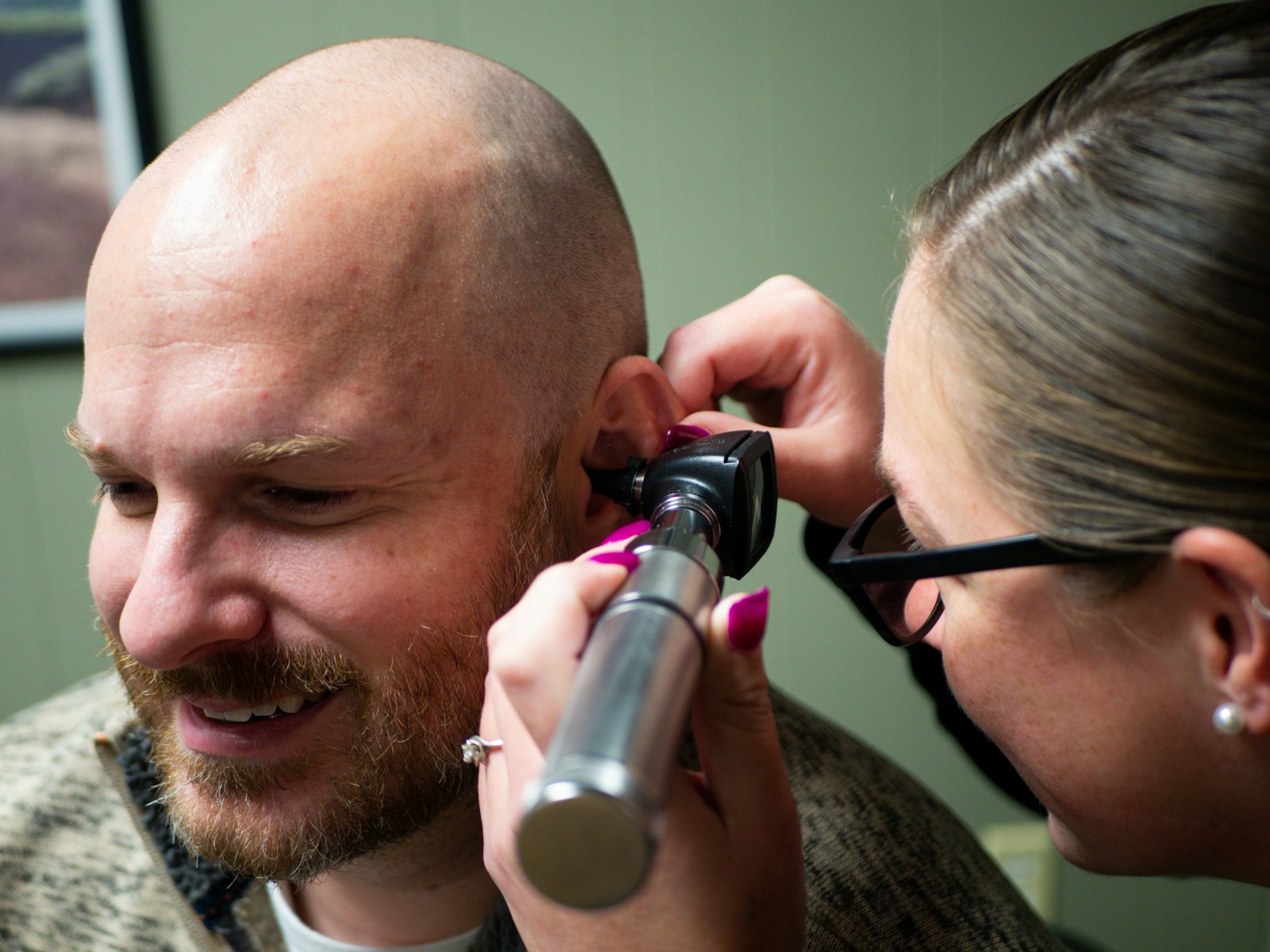
Hearing & Tinnitus
Studies of hearing loss and tinnitus, from new hearing-aid settings to apps that retrain how the brain treats a ringing sound.
Hearing research splits into two broad groups. One looks at hearing loss itself: new hearing-aid processing, cochlear implant programming, and medicines intended to protect the inner ear during treatments known to harm it, such as some chemotherapy.
The other looks at tinnitus, the ringing, hissing or buzzing that has no outside source. Here studies often test sound therapy, counseling approaches that reduce how much the noise intrudes on daily life, and devices that pair sound with gentle stimulation.
What studies here tend to ask
- Hearing loss of a particular type and degree, measured at the first visitLooks for
- Ringing or buzzing that has lasted a set number of monthsLooks for
- Able to sit through hearing tests in a sound boothLooks for
- Ear surgery or an ear infection in the recent pastOften rules out
- A change of hearing aid shortly before the study startsOften rules out
Each study sets its own lines and numbers. This is the usual shape, not any one study’s list.
What taking part can involve
- A hearing testTones and words played through headphones in a quiet booth, repeated at several visits so changes can be tracked.
- QuestionnairesHow loud the tinnitus feels, how it affects sleep and concentration, and how hard conversations are in noise.
- Fitting sessionsFor device studies, an audiologist sets up the hearing aid or implant and adjusts it over a few visits.
- Practice at homeSome studies give you listening exercises or an app to use for a few minutes a day between visits.
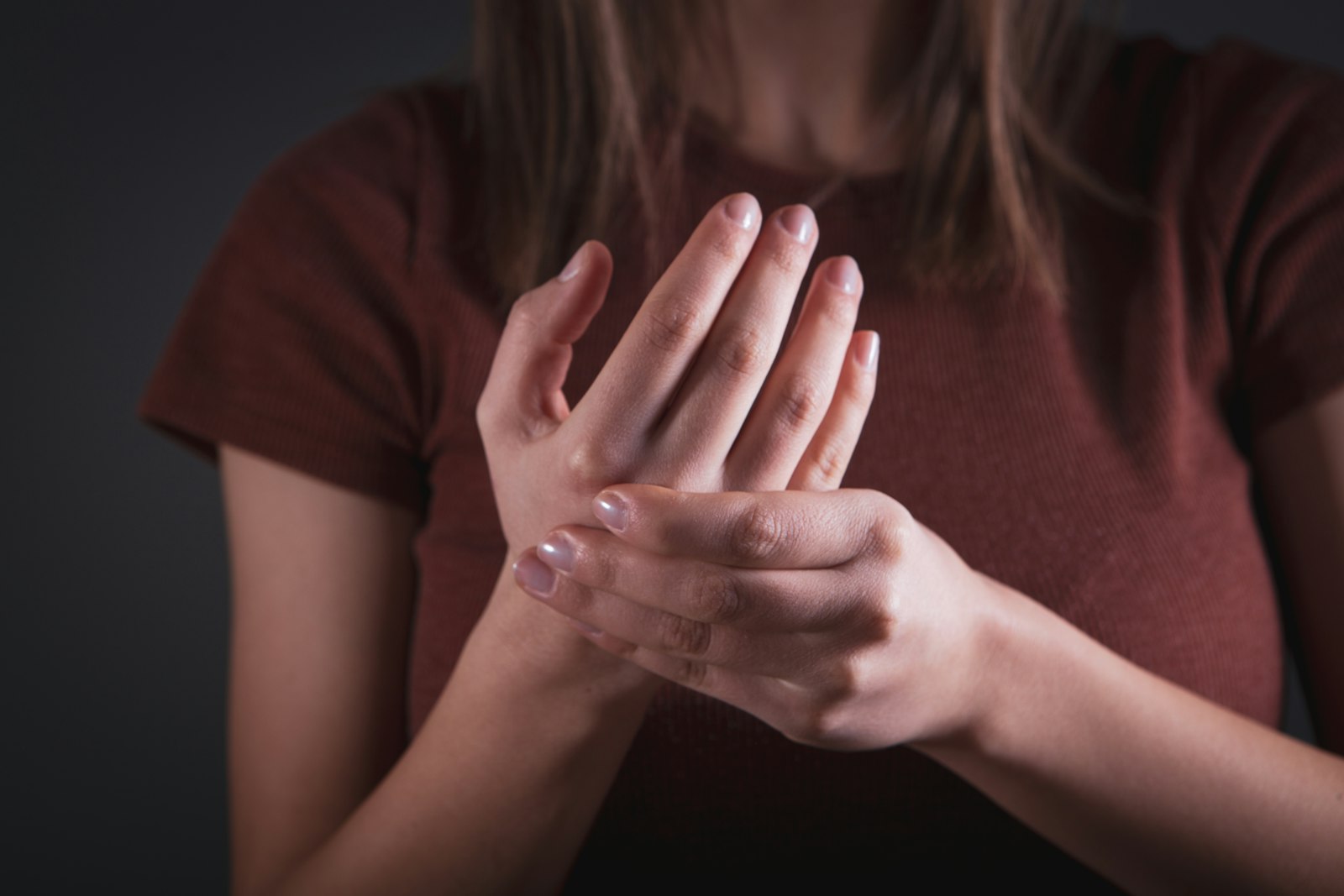
Lupus & Autoimmune
Studies of lupus and related autoimmune conditions, most of them testing a new medicine added to the treatment a person already takes.
Most lupus studies add a new medicine, often a biologic given by infusion or injection, on top of a person’s usual treatment, and compare it with a placebo added to the same treatment. Nobody is asked to give up standard care to take part.
Other studies focus on one part of the illness: kidney involvement, skin rashes, joint pain or the fatigue that many people say is the hardest part. Some simply follow people over time to learn what comes before a flare.
What studies here tend to ask
- A diagnosis that meets the formal classification used in researchLooks for
- Disease activity within a set range, scored by a doctor at screeningLooks for
- Usual treatment unchanged for a period before the study beginsLooks for
- A serious infection or a live vaccine shortly before screeningOften rules out
- Treatment with certain other immune medicines in the recent pastOften rules out
Each study sets its own lines and numbers. This is the usual shape, not any one study’s list.
What taking part can involve
- Blood and urine testsTaken at most visits, to measure disease activity, kidney function and how the body handles the medicine.
- The study medicineOften an infusion at the site lasting an hour or more, or an injection you or a nurse gives.
- A doctor’s scoreA study doctor examines skin, joints and other signs and scores them the same way at every visit.
- How you feelShort questionnaires about fatigue, pain and daily life, sometimes filled in on a phone between visits.

Long COVID & Fatigue
Studies for people whose symptoms stayed long after a COVID-19 infection, many of them designed so that a bad week does not mean a missed visit.
Long COVID research covers a wide range: medicines aimed at the immune system or blood vessels, treatments for a fast heart rate on standing, sleep studies, and programs that teach pacing so effort does not set off a crash.
Because tiredness is often the main symptom, many of these studies do part of their work remotely, with trackers worn at home, diaries on a phone and video calls in place of some trips.
What studies here tend to ask
- A COVID-19 infection confirmed by a test or reported by youLooks for
- Symptoms that have continued for a set number of months sinceLooks for
- Other causes of the symptoms looked into and ruled outLooks for
- Being in hospital for the infection, in some studiesOften rules out
- Starting a new treatment for the same symptoms recentlyOften rules out
Each study sets its own lines and numbers. This is the usual shape, not any one study’s list.
What taking part can involve
- A trackerA wristband or patch that records activity, sleep and heart rate for days or weeks at a time.
- DiariesA few minutes a day noting energy, thinking and how you felt after effort.
- Tests at a siteBloods, a heart tracing, and in some studies a standing test that measures heart rate as you move.
- Video check-insCalls with the study nurse between trips, so fewer journeys are needed.

Parkinson’s & Movement
Studies of Parkinson’s disease and related movement conditions, including some for people diagnosed recently and some for people who have lived with it for years.
Parkinson’s research looks for ways to slow the condition, not only to ease it, so a number of studies recruit people who were diagnosed recently and have started little or no treatment. Others aim at specific problems: off periods when medicine wears off, tremor, balance, sleep or swallowing.
Alongside medicines there are studies of exercise programs, wearable sensors that measure movement at home, and devices that stimulate nerves or deep parts of the brain. Some studies also invite people without Parkinson’s, including family members, to take part as a comparison group.
What studies here tend to ask
- A diagnosis made within a set window, or at a particular stageLooks for
- Parkinson’s medicines steady for a period, or not yet startedLooks for
- A partner or relative able to come to some visits, in some studiesLooks for
- Memory changes beyond a set level on a short testOften rules out
- Previous brain surgery or an implanted stimulatorOften rules out
Each study sets its own lines and numbers. This is the usual shape, not any one study’s list.
What taking part can involve
- A movement examA trained rater watches you walk, tap and turn, and scores it the same way each time.
- Brain scansSome studies use scans to confirm the diagnosis or to measure change over time.
- Off-medicine visitsA few studies ask you to come in before your morning dose. Ask about this early.
- At homeDiaries of on and off times, and sometimes a sensor worn on the wrist for a week.

Adult ADHD
Studies for adults with ADHD, including people diagnosed as children and people who only found out recently.
Adult ADHD studies test new medicines and new ways of taking existing ones, and a growing number test non-drug approaches: apps and computer programs that train attention, structured coaching, and treatments for the poor sleep that often goes with ADHD.
Some studies want people who are not taking any ADHD medicine right now, and others want people who are. That single line decides more applications than anything else, so check it first.
What studies here tend to ask
- ADHD confirmed by a structured interview at the screening visitLooks for
- Aged 18 or older, sometimes up to a set upper ageLooks for
- Either taking no ADHD medicine now, or a steady dose, depending on the studyLooks for
- Recent problems with alcohol or drug useOften rules out
- Certain heart conditions or uncontrolled blood pressure, in medicine studiesOften rules out
Each study sets its own lines and numbers. This is the usual shape, not any one study’s list.
What taking part can involve
- InterviewsA clinician asks structured questions about attention, restlessness and daily life, now and in childhood.
- Rating scalesShort forms you fill in, and in some studies a partner or friend fills in too.
- Computer tasksTimed tasks that measure attention and reaction, done at the site or at home.
- Health checksHeart rate and blood pressure at most visits in medicine studies.
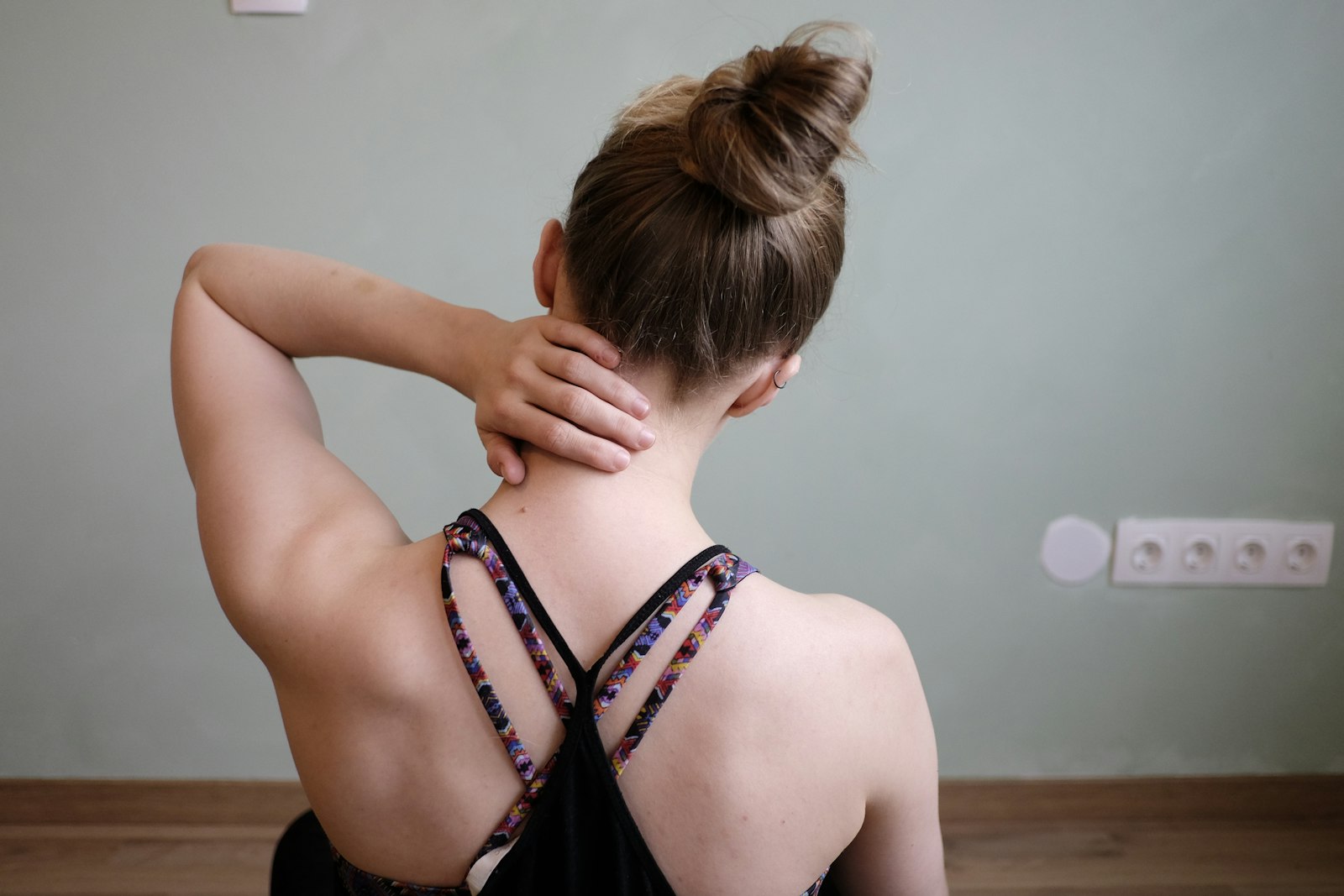
Fibromyalgia & Pain
Studies of fibromyalgia and widespread pain that has lasted months or years, many of which also measure sleep, mood and energy.
Fibromyalgia studies test medicines, but they also test a lot of things that are not medicines: gentle exercise programs, sleep treatments, devices that send mild currents through the skin, and talking therapies that change how pain is handled day to day.
Because pain changes from day to day, most of these studies ask you to keep a short daily diary, often for a week or two before anyone decides whether the study suits you.
What studies here tend to ask
- Fibromyalgia diagnosed by a doctor, with pain for a set number of monthsLooks for
- Pain scores within a range in a diary kept before the study startsLooks for
- Pain medicines steady for a period beforehandLooks for
- Another condition that better explains the pain, such as inflammatory arthritisOften rules out
- Certain medicines for mood or sleep, in some medicine studiesOften rules out
Each study sets its own lines and numbers. This is the usual shape, not any one study’s list.
What taking part can involve
- A daily diaryA minute or two each evening rating pain, sleep and tiredness on a phone.
- QuestionnairesHow pain affects work, rest, mood and the things you enjoy.
- An examinationA study doctor checks tender areas, strength and movement.
- SessionsFor device or exercise studies, short sessions at the site or at home with guidance.
Your area is not one of these six?
Every condition has its own listings on ClinicalTrials.gov, the public U.S. register, and you can search it yourself. The eligibility check still works for any study, because the lines it covers come up everywhere.
Hear when one of these opens near you
Choose one area of health, add your ZIP code, and Zova lets you know when a study nearby starts recruiting.